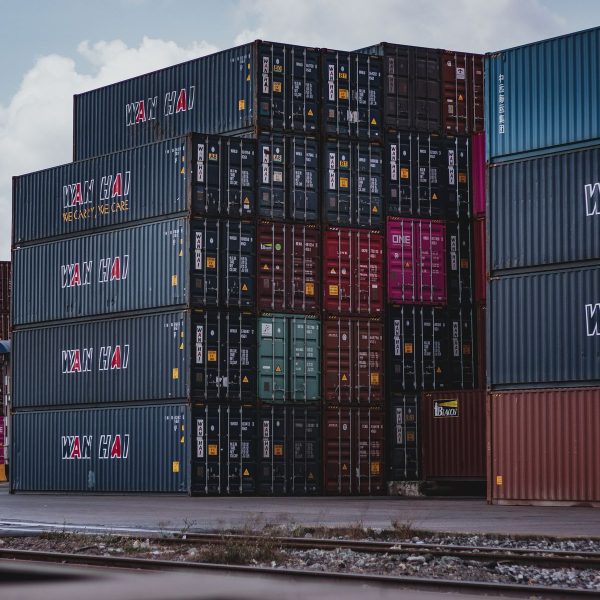
A logistics company facing a customs deadline in Kyiv needed a shipping contract translated within six hours and discovered its usual freelancer was traveling with no reliable internet connection.
Why Deadline Pressure Exposes Weak Translation Setups
Companies that rely on a single freelance translator often assume that person will always be reachable. The gap becomes obvious the moment an urgent document arrives outside normal working hours.
Companies that discover this gap late often miss a customs deadline or a contract signing window because nobody had a backup plan when the usual translator was simply unavailable.
Choosing Real Language Translation Services With Backup Capacity
Companies that regularly face tight deadlines increasingly rely on genuine language translation services with a full roster of linguists rather than depending on a single freelancer who may be unreachable exactly when needed most.
A structured provider also assigns a backup linguist automatically. A single point of failure setup often collapses the moment the primary translator becomes unavailable during a genuine emergency.
Getting Fast Ukrainian Translation Service Support Under Pressure
Companies shipping goods into Ukraine increasingly need a dedicated ukrainian translation service capable of turning around customs paperwork within hours rather than the days a generalist provider typically requires.
A provider without this specific speed may eventually deliver accurate work yet still miss the narrow customs window that made the translation urgent in the very first place.
What Separates A Reliable Rush Provider From A Risky One
A reliable rush provider maintains a roster of linguists across time zones so an urgent request always reaches someone available rather than waiting for a single translator to wake up.
Roster size is the part worth asking about, because coverage across time zones depends on how many linguists a provider actually has on call. PoliLingua works in more than 200 languages, which is the kind of range that only holds up with a network behind it rather than a short in house list. Breadth is not the same as speed though, so the follow up question is who confirms an urgent request and how quickly. A long language list managed by one coordinator in one city is still a single point of failure.
A risky provider treats every request the same way regardless of urgency. This approach may work for routine documents but consistently fails once a genuine deadline emergency actually arrives.
Building A Vetting Process Before An Emergency Happens
Companies evaluating a new translation partner should ask directly how rush requests get handled rather than discovering the answer for the first time during an actual crisis.
Asking how quickly a provider can confirm availability for an urgent request reveals whether they maintain genuine rush capacity or simply promise speed without the roster to back it up.
The Hidden Cost Of Missing A Translation Deadline
Missing a translation deadline rarely causes damage that stays contained to one shipment. The real cost surfaces later when a customs delay cascades into missed delivery windows across an entire supply chain.
Correcting this kind of disruption after the fact costs far more than establishing a reliable rush translation relationship before the first genuine emergency actually arrives at the worst possible moment.
Questions Worth Asking Before Committing To A Provider
A handful of direct questions reveal more than a polished sales pitch. Can an urgent request be confirmed within the hour. Does the provider maintain coverage across multiple time zones.
Providers who answer these questions with concrete detail almost always maintain a documented rush process rather than promising speed without explaining exactly how that speed gets delivered reliably.
Deadline pressure exposes weak translation because rushed work fails in predictable places. That is worth remembering when translation services near me returns a long list of providers promising same-day turnaround. Speed claims should be checked against a real sample.
Deadlines are precisely when teams reach for machine output and precisely when its weaknesses cost the most. The workable compromise is machine translation post editing, which keeps the speed advantage while putting a qualified human between the engine and the client. Raw output under pressure is how reputations are lost.
Deadline pressure exposes weak processes in every service industry. Hospitality gets tested in the same way during peak weeks, when a booking system, a night shift and a translation of the house rules all have to hold at once. The better florence hotels are the ones where nothing visibly changes in August.
Preparing For Predictable Deadline Pressure In Advance
Companies that identify their recurring deadline pressure points ahead of time give their language partner enough notice to allocate capacity instead of scrambling under unnecessary last minute stress.
A short planning call reviewing typical shipping schedules often uncovers additional pressure points that would otherwise surface too late for proper handling before a real deadline arrives.
Training Internal Teams To Flag Urgent Documents Early
Logistics teams who understand how far in advance to flag an urgent translation catch problems long before a deadline becomes critical. A late request should never surprise a language partner unprepared.
Companies that run a short internal session reviewing their translation escalation process often notice fewer missed deadlines and far smoother operations across every shipment they coordinate over time.
Building A Direct Line To A Trusted Rush Contact
Companies that identify one direct contact at their language partner for genuine emergencies avoid the delay of routing an urgent request through a general inquiry form during a real crisis.
Keeping that contact information accessible to every relevant team member ensures an urgent request reaches the right person immediately rather than sitting unnoticed in a shared inbox overnight.
Reviewing Past Emergencies To Improve Future Response
Companies that document what went wrong during a past deadline emergency build a clearer picture of where their process actually breaks down under genuine time pressure.
This kind of review turns a stressful incident into a lasting improvement and helps a team respond faster the next time a similar deadline emergency inevitably arrives without warning.